

Digital technology has changed nearly every facet of contemporary life. It is now rare to find an electronic device that does not incorporate digital technologies. However, some people are still not fans of social media technology according to a twitter survey from thinkbiganalytics. Digital technology ensures that devices can be more streamlined, lighter, quicker, and much more flexible. Huge amounts of data can be saved locally or remotely and moved around almost instantaneously.
High Communication Speeds
 Digital technology makes it effortless to remain in contact with friends and family members remotely. You’re able to communicate with voice, audio, video, and other social websites. Websites and applications have been made to assist users to interact. Social networking, texting, messaging, notebooks, tablet computers, and phones imply that nobody needs feel isolated from your electronic world. Internet rates have grown exponentially since the first days of dial-up. Ever quicker broadband allows the transfer of considerable quantities of data throughout the internet in a snap. This makes it feasible to stream audio and video in real-time, send huge data files, and access information from almost any place on the planet. Conventional media communication may take more.
Remote Working
Digital technology enables the storage of enormous amounts of data in relatively tiny spaces. Massive quantities of websites, photographs, videos, music, contact info, and other files can be carried out on small devices such as cellular phones. Higher connectivity choices mean that lots of individuals now have a lot more opportunities for working from home, as remote functioning becomes increasingly frequent. Many jobs can be done hundreds, or perhaps thousands of miles away without difficulty. Without the demand for many employees to be within precisely the same construction, many additional flexible working practices are now potential.
Service Automation
 Digital technology is making machines brighter. Sometimes, the machines no longer need people to run them, freeing up employees from frequently repetitive jobs for much more interesting tasks. In other scenarios, smarter machines imply superior standards of security or a much better experience for the consumer. Products and services fall in cost as the technology grows and becomes even more prevalent. Many jobs can now be accomplished directly by clients, instead of needing to be achieved through a different individual acting as an intermediary.



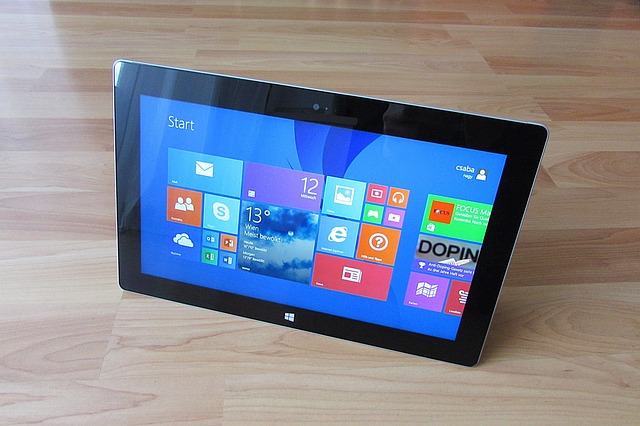
 Microsoft 365 offers powerful collaboration and communication tools like Microsoft Teams, SharePoint, and OneDrive. These tools enable seamless file sharing, real-time collaboration, and centralized document management. Team members can work together on documents simultaneously, track changes, and provide feedback in real time, regardless of their location. This fosters efficient teamwork, reduces version control issues, and streamlines communication across departments and remote teams.
 Data security is a critical concern for businesses of all sizes. Microsoft 365 offers robust security features and compliance measures to protect your organization’s sensitive information. It includes built-in security controls, data encryption, threat intelligence, and advanced threat protection. Additionally, Microsoft 365 is compliant with various industry standards and regulations, such as GDPR and HIPAA, ensuring that your organization meets its compliance requirements and mitigates potential risks.
 Opting for Microsoft 365 subscriptions offers cost-effectiveness and predictable budgeting for your organization. Rather than making significant upfront investments in purchasing licenses outright, you can choose a subscription model that allows you to pay on a per-user basis, typically monthly or annual. This eliminates the need for large upfront costs and provides better control over your IT budget. Moreover, Microsoft 365 subscriptions often include technical support, reducing the need for dedicated in-house IT resources.