

Social networks run on visibility. Likes, comments, and shares play a major role in what content gets seen and by whom. For many, higher numbers mean more attention, more trust, and more opportunity. But as demand for social proof grows, so does the market for fake engagement. People buy Facebook likes to boost credibility. It seems harmless. In reality, it’s digital manipulation, and it leaves a trail. Bought likes are not invisible. Platforms and researchers can track them. As the internet becomes more reliant on data-driven decisions, the need to separate real from fake has become a top priority.
The Tell-Tale Patterns of Fake Engagement
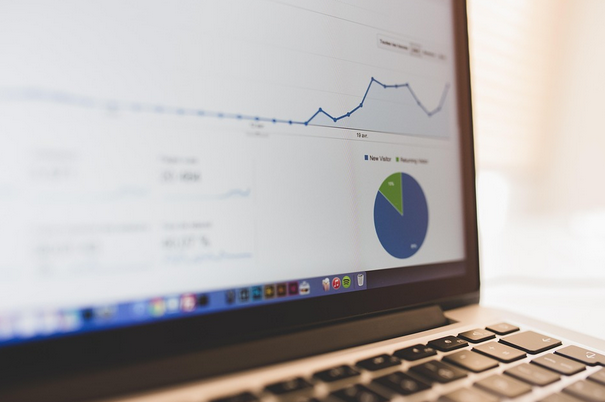 Every action on a social platform generates data. Real engagement tends to follow organic patterns. Fake likes, on the other hand, often behave differently. When someone buys likes, they’re usually delivered in large batches, all within a short time. That kind of spike stands out. Forensic analysts look at timing, volume, and source data. If a post gets hundreds of likes within minutes and then nothing it’s suspicious. If those likes come from inactive accounts or users based in unrelated regions, it raises red flags. These anomalies are how social networks detect manipulation. It’s not foolproof, but it’s getting better.
Who Is Tracking and How
Social platforms like Facebook, Instagram, and TikTok use internal tools to monitor account activity. Their algorithms detect abnormal engagement patterns. Once flagged, they may run deeper checks, cross-referencing account creation dates, location histories, and usage behavior. They also partner with third-party analytics firms. These firms apply machine learning to massive datasets to find trends. Their models are trained to recognize inconsistencies and tag suspicious activity. While the user’s buying likes may not be immediately penalized, the system keeps a record. Repeat activity increases the chances of being restricted, shadowbanned, or even removed.
The Role of Metadata
Metadata is the silent footprint of every digital interaction. When a user likes a post, that action is stored with time stamps, device info, IP addresses, and more. Purchased likes often originate from the same servers or device types. This clustering helps investigators identify bot farms and bulk engagement services. In some cases, metadata can reveal the entire structure behind the manipulation. It helps platforms link fake accounts to larger networks. Once found, these networks are often dismantled in waves, removing thousands of bogus users at once. This invisible data trail is a key tool in maintaining the health of digital ecosystems.
Why It Matters to Brands and Creators

Fake likes don’t just inflate numbers. They distort value. For brands investing in partnerships, accurate metrics are critical. A creator who appears popular but relies on bought likes may not offer real reach. When engagement doesn’t convert to comments, shares, or action, it becomes clear that something is off. Marketers now rely on deeper analytics. They study audience interaction, consistency, and growth history. Authentic engagement shows variety, unpredictability, and user involvement. That makes it harder to fake and more valuable in the long run. Tracking bought likes helps ensure fair competition and builds trust across industries.
The Legal and Ethical Angle
Buying likes isn’t just a gray area it can cross into fraud. When influencers or brands misrepresent their reach, they may violate advertising standards or breach contracts. Some regions have introduced regulations requiring influencers to disclose paid promotion. If those promotions are backed by fake metrics, they risk legal consequences. Beyond legality, there’s an ethical cost. Bought engagement deceives followers and undermines the unique potential of real community-building. Social media was built on the idea of connection. Manipulating metrics works against that goal. For the utmost integrity, creators are encouraged to grow honestly and transparently.
The tools used to spot fake engagement are evolving quickly. AI models are now capable of detecting subtle manipulation techniques. These tools examine everything from timing irregularities to language patterns. As detection improves, the risks of buying likes increase. …