

Nowadays, teenage kids listening to Ariana Grande or Taylor Swift on their brand new Macbook or iPhone using Spotify won’t understand how nostalgic and tear-evoking music technology was back in the early 2000s. If you know about musical 2000, a musical broadway that was played over a hundred times in early 2000, you’ll know how limited the music technology at the time was compared to now. But we understand it’s hard to relate to something you don’t personally experience, so maybe a list would draw a better picture? Let us see how music technology has evolved since the early 2000s:
CDs and Floppy Disks Were All the Craze
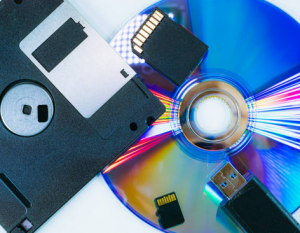
The early 2000s were all about music CDs and floppy disks that, if they’re not careful, can either be lost over a million times, so you would have to rebuy them over and over again, or have so many that it’ll pile up until it reaches the ceiling. Being born in the 80s, I got to experience the early 2000s to the fullest with a ripe mind and understanding of technology, so I would end up buying a lot of thin CDs to listen to some of my favorite artists, such as Britney Spears, NSYNC, and Christina Aguilera, and I saved them on floppy disks to give out to my friends and families, which is pretty inconvenient, given their size limit and tendency to be lost.
The Beginning of Autotune
The Prevalence of Music Streaming Platform
Digital music streaming platforms like SoundCloud, Apple Music, and Spotify would not exist if it weren’t for websites like YouTube, MySpace, and Napster, paving the way for them to introduce streaming technology to fans all over the world for free. With their success in amassing the crowd, music sharing has never been easier, from using CDs and floppy disks to share music.
The Takeaway
Wasn’t that trip back through memory lane enjoyable? I certainly did enjoy myself, and I hope you had as much fun as I did. Music certainly is the closest thing we have for a time-traveling machine, and knowing the origins and roots will undoubtedly help us appreciate what we have now better. Share this article with your friends if you find this to be insightful!
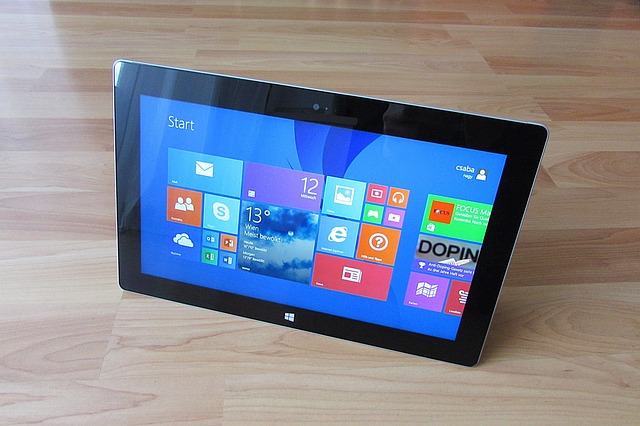
 Microsoft 365 offers powerful collaboration and communication tools like Microsoft Teams, SharePoint, and OneDrive. These tools enable seamless file sharing, real-time collaboration, and centralized document management. Team members can work together on documents simultaneously, track changes, and provide feedback in real time, regardless of their location. This fosters efficient teamwork, reduces version control issues, and streamlines communication across departments and remote teams.
 Data security is a critical concern for businesses of all sizes. Microsoft 365 offers robust security features and compliance measures to protect your organization’s sensitive information. It includes built-in security controls, data encryption, threat intelligence, and advanced threat protection. Additionally, Microsoft 365 is compliant with various industry standards and regulations, such as GDPR and HIPAA, ensuring that your organization meets its compliance requirements and mitigates potential risks.
 Opting for Microsoft 365 subscriptions offers cost-effectiveness and predictable budgeting for your organization. Rather than making significant upfront investments in purchasing licenses outright, you can choose a subscription model that allows you to pay on a per-user basis, typically monthly or annual. This eliminates the need for large upfront costs and provides better control over your IT budget. Moreover, Microsoft 365 subscriptions often include technical support, reducing the need for dedicated in-house IT resources.
 The first way that computer gaming has evolved is that games have become more realistic. The first images of people playing video games were very cartoon-like and hardly looked like anything in real life. However, graphics are now so advanced that it can be tough to tell the difference between a game and something from reality. This opens up all sorts of new possibilities for games to tell stories and create experiences that people would not ordinarily be able to experience.
 If you love gaming, you may have noticed that many kinds of people are into gaming than before. It is now common to find people of different genders and age groups who enjoy online computer gaming. Even people who do not necessarily like computer games may also begin to play them when they realize that it is a great way to pass the time and relax after work or school.
 There are many ways you can play your favorite game over the internet. For example, since most people have laptops these days or even mobile devices, playing online is much more accessible. Most people have cell phones or high-speed internet access, and you only need a home computer and an account with whatever game hosting platform you choose.
 AI tools examine engagement metrics such as likes, shares, comments, and view duration to determine which posts resonate with audiences. By comparing current content with similar past posts, algorithms identify patterns that typically precede high engagement. For example, certain visual styles, caption lengths, or posting times may consistently generate interaction. AI can highlight these trends, enabling creators to adjust their content strategy proactively. This insight helps maximize the likelihood of virality by prioritizing posts that align with proven audience preferences and behaviors.