

Video games have been around for decades, and with the advent of online gaming, the potential for cheating has increased exponentially. Gaming Aimbots are some of the popular cheating technologies used among gamers, and in some cases, they allow players to achieve unbeatable scores or abilities.
While video game companies have taken steps to mitigate cheating, it is still a major issue that affects millions of players worldwide. This article will explore why video games struggle with cheaters and how some developers use technology to combat this problem.
Peer-to-Peer Networks
The technology that facilitates online gaming is a peer-to-peer (P2P) network. This technology connects players worldwide, allowing competition and collaboration to make an online game successful. Unfortunately, the same technology that makes online gaming possible is also what enables cheaters to ruin it. Players can use technology to gain an unfair advantage, such as speed hacks or aimbots.
Anti-Cheat Software
The most common way developers combat cheating is by using anti-cheat software. These programs typically run in the background of gaming sessions and scan for suspicious behavior, such as rapid movement or multiple kills in a short period. If a player is detected engaging in suspicious behavior, they can be banned from the game or have their account suspended.
Inconsistent Solutions
The problem with anti-cheat technology is that it can only detect cheating after it has already happened. In most cases, punishments for cheaters are often inconsistent, with some players getting away with their exploits while others get banned. Furthermore, technology can’t always distinguish between an intentional cheat and a game. This results in innocent players being unfairly punished.
Necessary But Ineffective Tech
The use of anti-cheat technology is necessary for online gaming communities, but it is not always effective in preventing or deterring cheating. Cheaters are constantly finding new ways to exploit technology and game mechanics, making it difficult for developers to stay ahead of them. As technology advances, so too do the capabilities of cheaters. It creates an ongoing challenge that video games struggle to combat.
Conclusion
 While anti-cheat technology is necessary to maintain a fair and enjoyable environment for online gaming, it is not always able to keep cheaters in check. Developers must continually evolve their technology to ensure that all players have an enjoyable experience. Until technology can permanently stay ahead of the cheaters, developers will continue to face the challenge of policing cheating within their games.


 Accounting software is an essential tool for businesses of all sizes, from small startups to large corporations. With the right accounting software, companies can easily manage their financial records and transactions. One of the primary benefits of using accounting software is its ability to simplify bookkeeping tasks. Rather than manually entering data into ledgers or spreadsheets, businesses can rely on automated processes that save time and reduce errors. Another advantage of accounting software is its ability to generate detailed reports quickly. Business owners can use these reports to analyze their finances, identify trends, and make informed decisions about future investments or expenditures.
 Communication is vital for any business to



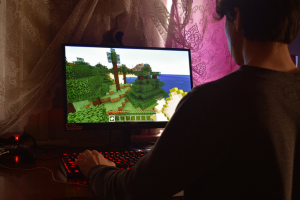 The first way that computer gaming has evolved is that games have become more realistic. The first images of people playing video games were very cartoon-like and hardly looked like anything in real life. However, graphics are now so advanced that it can be tough to tell the difference between a game and something from reality. This opens up all sorts of new possibilities for games to tell stories and create experiences that people would not ordinarily be able to experience.
 If you love gaming, you may have noticed that many kinds of people are into gaming than before. It is now common to find people of different genders and age groups who enjoy online computer gaming. Even people who do not necessarily like computer games may also begin to play them when they realize that it is a great way to pass the time and relax after work or school.
 There are many ways you can play your favorite game over the internet. For example, since most people have laptops these days or even mobile devices, playing online is much more accessible. Most people have cell phones or high-speed internet access, and you only need a home computer and an account with whatever game hosting platform you choose.