
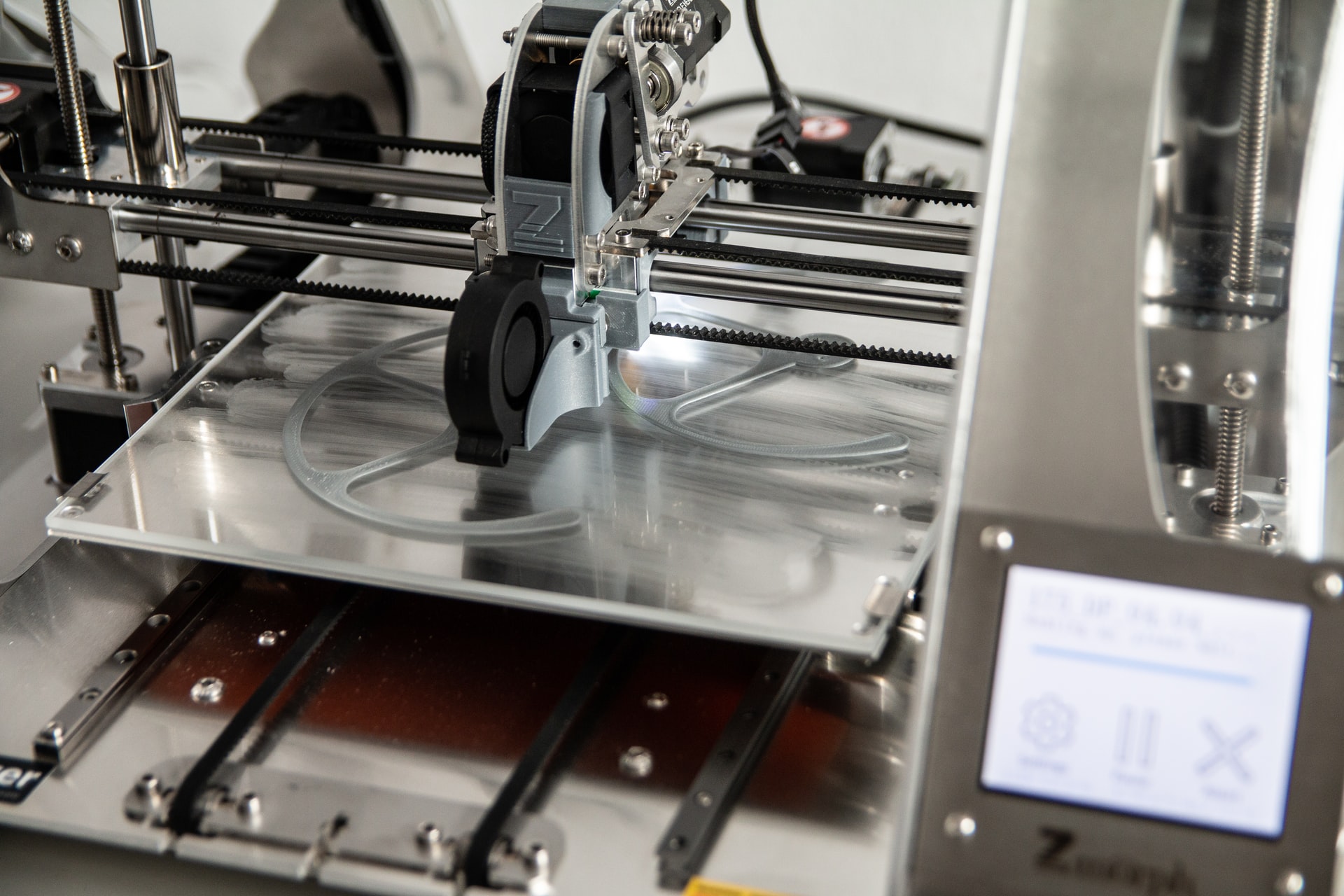
One of the latest sensations in the field of technology could be three-dimensional printing, popularly known as 3D printing. It could be referred to as the practice of producing 3D objects of almost any shape. But before buying one, you should know the uses of 3d printers (or your choice). By doing some research, you can learn the popular ways people use 3D printers. Below are the advantages of 3D printers.
Rapid Prototyping
 Basically, a 3D printer could be called an industrial robot that is controlled by a robot and can do the additive process of making a final product compared to the model. It is expected that shortly and in the current issue, more and more people will be able to use 3D printers normally and the people who are not able to handle the printers will be inclined to pay for the services.
Cost-Effective
 One of the reasons why 3D printers are popular is because they are cost-effective. These possibilities mean a lot of opportunities for interested entrepreneurs. These modern printers could be used in the production of prototypes along with distributed design programs. The possibilities are almost endless and curious people should explore how they can benefit from the advantages along with the expected maturity.
Fast Design and Production
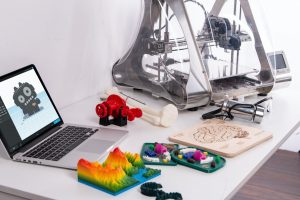 The entire process of 3D printing starts with a digital file. This is a similar process to 2D printing, where the document is printed after the information has been entered into the computer system. As a result, the term 3D printing can also refer to additive manufacturing, which is a manufacturing process that occurs exponentially. One of the main reasons why many people use this type of printer is because they are fast in designing and production.
Conclusion
You can get some fantastic brands on the market today. These can be used commercially by the manufacturing process and help the owners or investors to a great extent and thus appreciate the benefits of 3d printers. Entrepreneurs can also decide to buy the machines from the manufacturers and promote them to prevent consumers from profiting. There are a lot of customers available not only locally but also internationally.



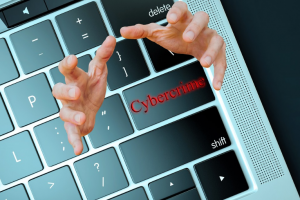 Observe how your child uses the Internet. This step includes ensuring they don’t share personal information with strangers, that they don’t use profanity language, and you are aware of the photos, videos, and posts they upload. For your kids, you can install apps that you can download using